Joint Pain Treatment in Greater Noida West
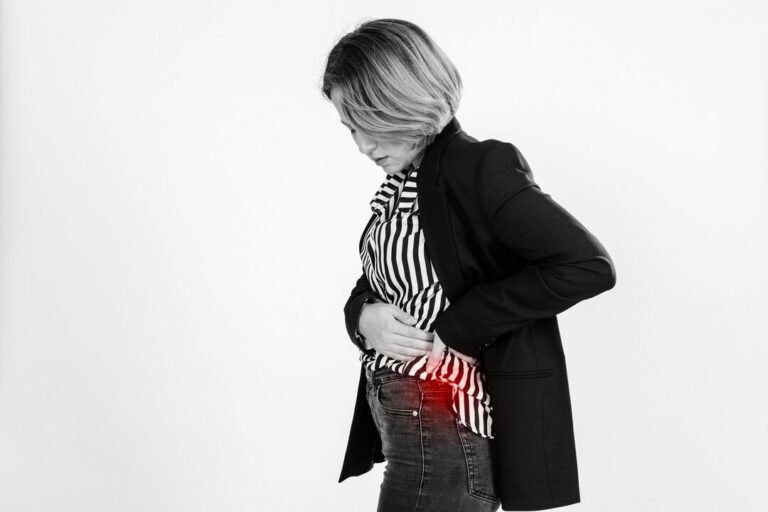
Joint Pain Treatment in Greater Noida West is important for people who have pain, swelling, stiffness, weakness, or reduced movement in a joint. Joint problems can affect the knee, shoulder, hip, ankle, elbow, wrist, or spine.
At first, joint pain may feel mild. However, repeated pain can affect walking, climbing stairs, lifting objects, working, exercising, and sleeping.
Therefore, early diagnosis is important. It helps identify whether the pain is caused by arthritis, injury, ligament damage, cartilage wear, muscle weakness, or another orthopaedic condition.
Dr. Gourav Thakral provides orthopaedic evaluation and personalised treatment for joint pain, arthritis, knee problems, ligament injuries, and sports-related conditions in Greater Noida West.
What Is Joint Pain?
A joint is the area where two or more bones meet. Joints allow the body to bend, move, rotate, and perform daily activities.
Cartilage covers the ends of the bones. Ligaments support the joint, while muscles and tendons help control movement.
Joint pain can develop when any of these structures becomes injured, inflamed, weak, or worn out.
The pain may be temporary after physical activity. In other cases, it may continue for several weeks or become a long-term problem.
Common Symptoms of Joint Problems
Symptoms depend on the affected joint and the cause of the problem.
Common symptoms include:
- Joint pain
- Swelling
- Stiffness
- Reduced movement
- Weakness
- Warmth around the joint
- Difficulty walking
- Pain while climbing stairs
- Clicking or cracking sounds
- Joint locking
- Joint instability
- Pain after exercise
- Morning stiffness
- Difficulty lifting objects
- Pain that affects sleep
Some people also feel that the joint may give way during movement. This may happen after a ligament injury or due to muscle weakness.
If symptoms continue, proper Joint Pain Treatment in Greater Noida West can help identify the exact problem.
Common Causes of Joint Pain
Joint pain may develop due to injury, inflammation, overuse, or age-related changes.
Common causes include:
- Osteoarthritis
- Rheumatoid arthritis
- Ligament injury
- Cartilage damage
- Meniscus injury
- Muscle weakness
- Tendon inflammation
- Sports injury
- Fracture
- Joint dislocation
- Poor posture
- Repeated overuse
- Previous injury
- Obesity
- Age-related joint wear
- Infection in rare cases
Sometimes, more than one problem may be present. For example, a knee injury may damage both the ligament and meniscus.
Therefore, an accurate diagnosis is needed before starting treatment.
Joint Pain Treatment in Greater Noida West
Joint Pain Treatment in Greater Noida West focuses on reducing pain, improving movement, restoring strength, and preventing further damage.
The treatment plan depends on:
- Joint affected
- Cause of pain
- Severity of symptoms
- Age of the patient
- Activity level
- Duration of pain
- Previous injuries
- Joint stability
- Imaging findings
- Daily work requirements
Treatment may include medicines, physiotherapy, exercises, lifestyle changes, bracing, injections, or surgery in selected cases.
However, the same treatment is not suitable for every patient. Therefore, the plan should be based on the diagnosis.
Diagnosis of Joint Pain
Diagnosis usually begins with a detailed discussion about the symptoms.
The doctor may ask:
- When did the pain start?
- Was there an injury?
- Which movements increase the pain?
- Is swelling present?
- Does the joint lock or give way?
- Is the pain worse in the morning?
- Does the pain affect sleep?
- Have you had a previous fracture or surgery?
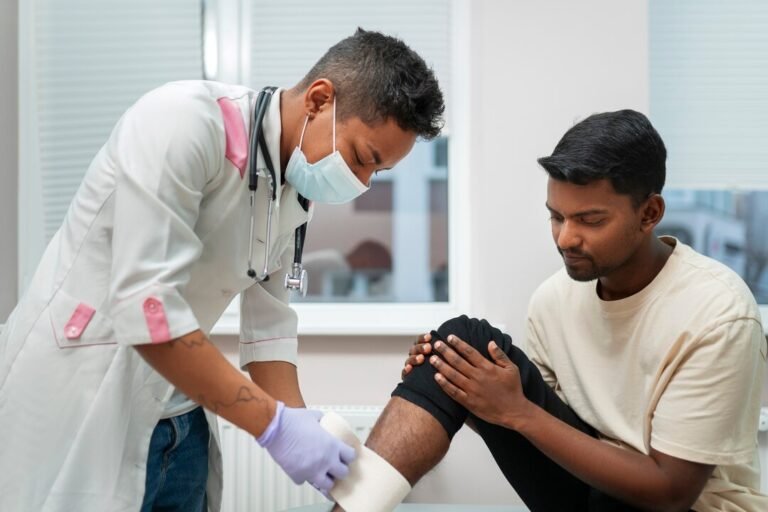
After that, the affected joint is examined.
The examination may include:
- Joint movement
- Swelling assessment
- Tenderness check
- Muscle strength
- Joint stability
- Walking pattern
- Posture
- Ligament tests
- Nerve function
Depending on the condition, further tests may be advised.
Digital X-Ray
A digital X-ray can help identify:
- Arthritis
- Fractures
- Joint-space reduction
- Bone deformity
- Bone spurs
- Alignment problems
MRI Scan
An MRI provides detailed images of soft tissues.
It may help detect:
- ACL Injury
- Meniscus tear
- Cartilage damage
- Tendon injury
- Muscle injury
- Ligament tear
- Shoulder rotator cuff injury
Blood Tests
Blood tests may be advised if inflammatory arthritis, infection, or another medical condition is suspected.
Non-Surgical Treatment for Joint Pain
Many joint conditions can be treated without surgery.
Non-surgical care may include the following options.
Rest and Activity Modification
The patient may be advised to avoid activities that increase pain.
For example, running, jumping, deep squatting, or heavy lifting may need to be reduced for a short period.
However, complete bed rest is usually not helpful. Gentle movement can prevent stiffness and weakness.
Ice or Heat Application
Ice may help after an acute injury or when swelling is present.
Heat may help reduce stiffness in some long-term conditions.
The correct option depends on the cause and stage of the problem.
Medicines
Medicines may be prescribed to control pain and inflammation.
However, patients should avoid using painkillers for long periods without medical guidance.
Physiotherapy
Physiotherapy is an important part of joint pain care.
It may help:
- Reduce pain
- Improve movement
- Strengthen muscles
- Improve balance
- Correct posture
- Restore joint stability
- Support safe walking
- Prevent repeated injury
Exercises should be selected according to the affected joint and diagnosis.
Braces and Supports
A knee brace, ankle support, shoulder sling, or wrist support may be recommended in selected cases.
These supports may reduce stress and provide temporary stability.
However, long-term use without medical advice may cause muscle weakness.
Injection Treatment
Injection therapy may be considered in selected joint conditions.
The type of injection depends on the diagnosis, symptoms, age, and joint damage.
It is not suitable for every patient. Therefore, proper evaluation is required.
Arthritis Treatment in Greater Noida West
Arthritis is one of the most common causes of long-term joint pain.
It can affect the knees, hips, shoulders, hands, ankles, or spine.
Common arthritis symptoms include:
- Pain during movement
- Morning stiffness
- Joint swelling
- Reduced flexibility
- Difficulty walking
- Pain while using stairs
- Cracking sounds
- Weakness around the joint
Arthritis treatment in Greater Noida West may include medicines, physiotherapy, weight management, exercise guidance, lifestyle changes, injections, or surgery in advanced cases.
Early treatment can help slow the effect of arthritis on daily movement.
Osteoarthritis
Osteoarthritis develops when the protective cartilage inside the joint gradually wears down.
It commonly affects the knee and hip. However, it may also affect the shoulder, spine, and hands.
Risk factors include:
- Increasing age
- Previous joint injury
- Excess body weight
- Weak muscles
- Repeated physical stress
- Poor joint alignment
- Family history
Treatment focuses on pain control, muscle strengthening, mobility, and joint protection.
Rheumatoid Arthritis
Rheumatoid arthritis is an inflammatory condition. It can affect several joints on both sides of the body.
Symptoms may include prolonged morning stiffness, swelling, warmth, and fatigue.
Patients may need care from both an orthopaedic specialist and a rheumatologist.
Early diagnosis is important because uncontrolled inflammation can damage the joints.
Knee Joint Pain
Knee pain can affect walking, sitting, standing, running, and climbing stairs.
Common causes include:
- Arthritis
- ACL Injury
- Meniscus tear
- Cartilage damage
- Patellar tendon pain
- Ligament sprain
- Fracture
- Kneecap problems
- Muscle weakness
- Sports injury
Treatment depends on the cause and severity.
Mild conditions may improve with medicines, physiotherapy, exercises, and lifestyle changes. However, advanced arthritis or severe damage may need surgical care.
ACL Injury and Knee Instability
The anterior cruciate ligament, or ACL, is one of the main ligaments inside the knee.
An ACL Injury commonly happens when the knee twists suddenly or changes direction during sports.
Common symptoms include:
- A popping sound
- Sudden pain
- Rapid swelling
- Knee instability
- Difficulty walking
- A feeling that the knee may give way
- Difficulty returning to sports
Diagnosis may involve physical tests and an MRI scan.
Treatment can include physiotherapy, bracing, activity modification, or ACL reconstruction surgery.
The right treatment depends on the severity of the tear, knee stability, age, and activity level.
Sports Injury and Joint Pain
A Sports Injury can affect bones, joints, muscles, ligaments, tendons, and cartilage.
These injuries may happen during:
- Cricket
- Football
- Badminton
- Basketball
- Running
- Gym workouts
- Cycling
- Kabaddi
- Other physical activities
Common sports-related joint problems include:
- ACL tear
- Meniscus injury
- Shoulder dislocation
- Ankle sprain
- Muscle strain
- Tennis elbow
- Tendon injury
- Stress fracture
Sports injury treatment should focus on both recovery and prevention.
The treatment plan may include:
- Injury assessment
- Pain management
- Physiotherapy
- Muscle strengthening
- Balance training
- Movement correction
- Sports-specific exercises
- Return-to-play testing
Returning to sports too early can increase the risk of another injury.
Shoulder Joint Pain
Shoulder pain can affect lifting, dressing, driving, sleeping, and office work.
Common causes include:
- Frozen shoulder
- Rotator cuff injury
- Shoulder arthritis
- Tendon inflammation
- Dislocation
- Fracture
- Muscle strain
- Sports injury
Treatment may include medicines, physiotherapy, exercises, injections, or surgery in selected cases.
Early care is important because untreated shoulder pain may lead to stiffness and reduced movement.
Hip Joint Pain
Hip pain may affect walking, sitting, standing, and getting up from a chair.
Common causes include:
- Hip arthritis
- Muscle strain
- Tendon problems
- Hip fracture
- Avascular necrosis
- Cartilage damage
- Referred pain from the spine
Treatment depends on the cause.
Advanced hip arthritis may require hip replacement surgery when non-surgical treatment no longer provides relief.
Best Knee Replacement Guidance
Patients searching online for Best Knee Replacement usually want experienced guidance for severe knee arthritis and long-term pain.
Knee replacement may be considered when:
- Pain continues despite treatment
- Walking becomes difficult
- Sleep is affected
- The knee becomes deformed
- Daily activities are limited
- Arthritis is advanced
- Medicines and physiotherapy no longer help
During knee replacement, damaged joint surfaces are replaced with artificial components.
The aim is to reduce pain and improve movement. However, surgery is recommended only after proper assessment.
The result also depends on rehabilitation, muscle strength, weight management, and regular follow-up.
When Is Joint Surgery Required?
Surgery may be considered when:
- Joint damage is severe
- Pain affects daily life
- The joint repeatedly gives way
- A ligament is completely torn
- A fracture needs fixation
- The joint is badly deformed
- Non-surgical treatment has failed
- Movement is severely restricted
Surgical treatment may include:
- Arthroscopy
- Ligament reconstruction
- Fracture fixation
- Meniscus repair
- Shoulder repair
- Knee replacement
- Hip replacement
The decision is based on the diagnosis and individual needs.
Role of the Best Orthopaedic Surgeon
Patients often search for the Best Orthopaedic surgeon when pain becomes severe or movement is affected.
An orthopaedic surgeon evaluates bone, joint, ligament, muscle, tendon, and sports-related problems.
The evaluation may include:
- Medical history
- Physical examination
- X-ray review
- MRI review
- Joint stability tests
- Movement assessment
- Treatment planning
- Rehabilitation guidance
A good treatment plan focuses on the actual cause of pain instead of providing only temporary relief.
It should also explain non-surgical and surgical options clearly.
When Should You Visit an Orthopaedic Doctor?
Consult an orthopaedic doctor if pain continues for several days or affects normal activities.
Seek early care if you have:
- Severe joint pain
- Sudden swelling
- Joint instability
- Difficulty walking
- Pain after a fall
- Pain after a sports injury
- Reduced movement
- Joint locking
- Visible deformity
- Numbness or weakness
- Pain that affects sleep
- Repeated stiffness
Urgent care may be needed after a major accident, severe swelling, or visible deformity.
Prevention Tips for Joint Pain
Some joint problems can be reduced through healthy habits.
Helpful steps include:
- Maintain a healthy body weight
- Exercise regularly
- Strengthen the muscles
- Warm up before sports
- Use correct lifting techniques
- Avoid sudden increases in activity
- Take breaks during long sitting
- Wear supportive footwear
- Correct poor posture
- Treat injuries early
- Follow physiotherapy properly
- Avoid repeated self-medication
Regular movement helps keep joints flexible. However, exercises should match your age and health condition.
Why Choose Dr. Gourav Thakral?
Dr. Gourav Thakral provides orthopaedic care for joint pain, arthritis, ligament injuries, knee conditions, fractures, and sports injuries.
Patients looking for Joint Pain Treatment in Greater Noida West can consult him for diagnosis and personalised treatment planning.
His approach focuses on:
- Correct diagnosis
- Pain relief
- Better joint movement
- Improved muscle strength
- Safe rehabilitation
- Prevention of repeated injury
- Surgical care when required
- Long-term joint protection
Conclusion
Joint pain can affect walking, exercise, work, sleep, and daily movement. Therefore, repeated pain, swelling, stiffness, or instability should not be ignored.
For Joint Pain Treatment in Greater Noida West, consult Dr. Gourav Thakral for joint evaluation, Arthritis treatment in Greater Noida West, ACL Injury care, Sports Injury treatment, and knee replacement guidance.
Timely care can help reduce pain, restore movement, and protect long-term joint health.
FAQs
What causes joint pain?
Joint pain may happen due to arthritis, injury, ligament damage, cartilage wear, muscle weakness, fracture, or overuse.
When should I consult a doctor for joint pain?
Consult a doctor when pain continues, swelling increases, movement becomes difficult, or symptoms affect daily activities.
Can arthritis be treated without surgery?
Yes. Many arthritis cases can be managed with medicines, physiotherapy, exercise, weight control, and lifestyle changes. Surgery may be needed in advanced cases.
What are the symptoms of an ACL Injury?
Common symptoms include a popping sound, sudden pain, swelling, knee instability, and difficulty walking.
Can a Sports Injury cause long-term joint pain?
Yes. An untreated ligament, cartilage, tendon, or muscle injury may lead to repeated pain and movement problems.
When is knee replacement required?
Knee replacement may be considered when severe arthritis causes ongoing pain, stiffness, deformity, and difficulty performing daily activities.
Who should I consult for joint pain?
You should consult an experienced orthopaedic doctor for examination, diagnosis, and personalised treatment planning.
Where can I get Joint Pain Treatment in Greater Noida West?
You can consult Dr. Gourav Thakral for Joint Pain Treatment in Greater Noida West, arthritis care, knee pain, ACL Injury, Sports Injury, and joint replacement guidance.
Medical Disclaimer: This content is for educational purposes only. It does not replace individual medical consultation, diagnosis, or treatment.