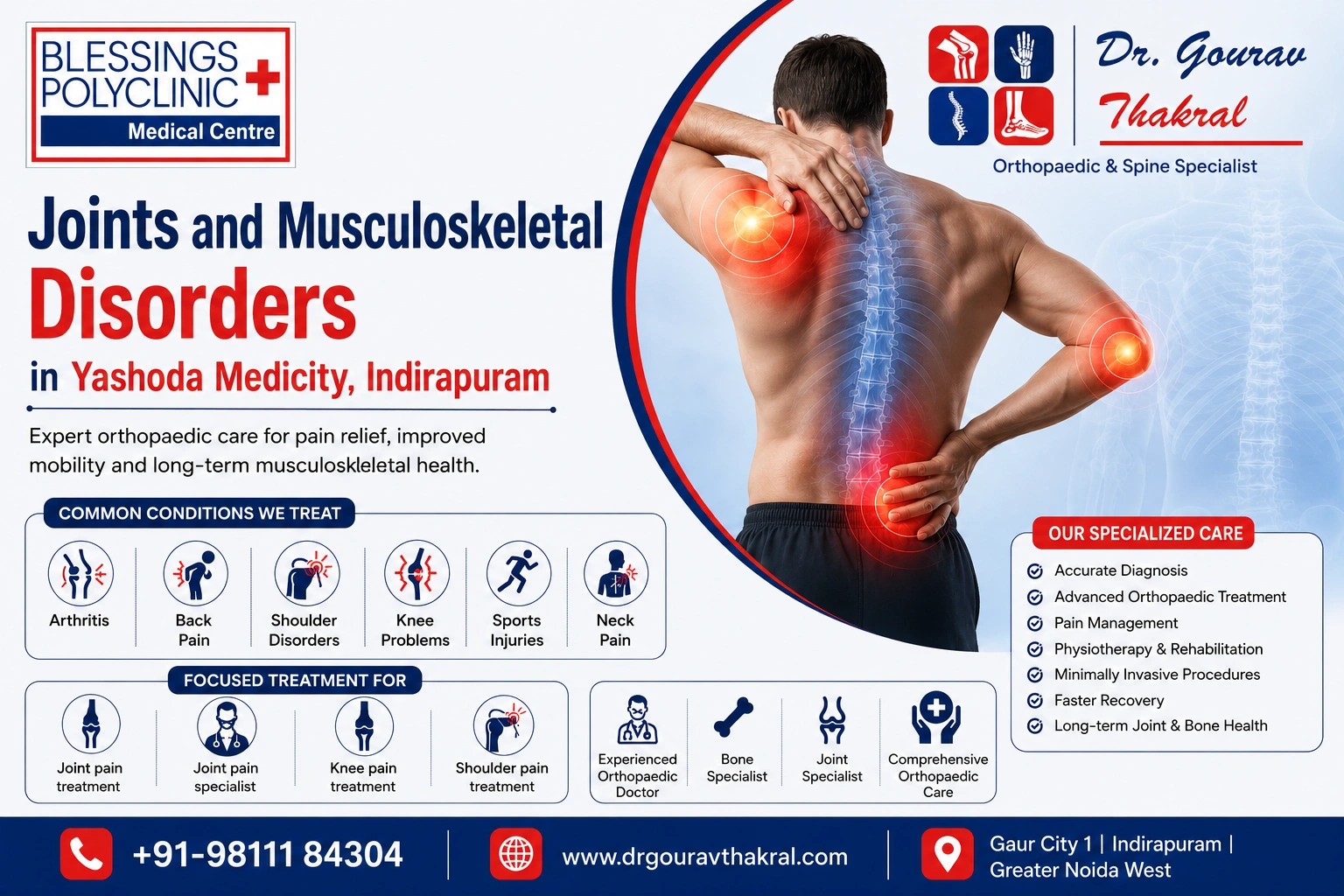
Joints and Musculoskeletal Disorders in Yashoda Medicity, Indirapuram
Joints and musculoskeletal disorders can affect mobility, flexibility, posture, and overall quality of life. These conditions commonly involve bones, muscles, joints, ligaments, tendons, cartilage, and connective tissues. Pain, stiffness, swelling, weakness, and restricted movement are some of the most common symptoms experienced by patients suffering from musculoskeletal disorders.
If you are looking for expert treatment for Joints and Musculoskeletal Disorders in Yashoda Medicity, Indirapuram, timely diagnosis and proper management are important to prevent long-term complications and improve daily movement.
What are Musculoskeletal Disorders?
Musculoskeletal disorders are conditions that affect the body’s movement system. These problems may develop suddenly due to injury or gradually because of aging, arthritis, posture issues, repetitive strain, sports injuries, or lifestyle-related problems.
Common musculoskeletal conditions include:
- Arthritis
- Back pain
- Neck pain
- Joint stiffness
- Tendon injuries
- Ligament injuries
- Sports injuries
- Muscle strain
- Shoulder disorders
- Knee problems
- Sciatica
- Osteoporosis
- Frozen shoulder
A qualified Orthopaedic doctor helps diagnose and manage these conditions effectively.
Common Symptoms of Joint & Musculoskeletal Disorders
Patients may experience:
- Joint pain
- Swelling
- Stiffness
- Muscle weakness
- Reduced mobility
- Difficulty walking
- Pain during movement
- Joint instability
- Back or neck discomfort
- Inflammation
- Limited flexibility
If symptoms continue for a long time, consult an experienced Orthopaedic specialist for proper evaluation.
Causes of Musculoskeletal Disorders
Several factors can increase the risk of joint and musculoskeletal problems, including:
- Aging
- Poor posture
- Obesity
- Sports injuries
- Lack of physical activity
- Heavy lifting
- Repetitive strain
- Arthritis
- Calcium deficiency
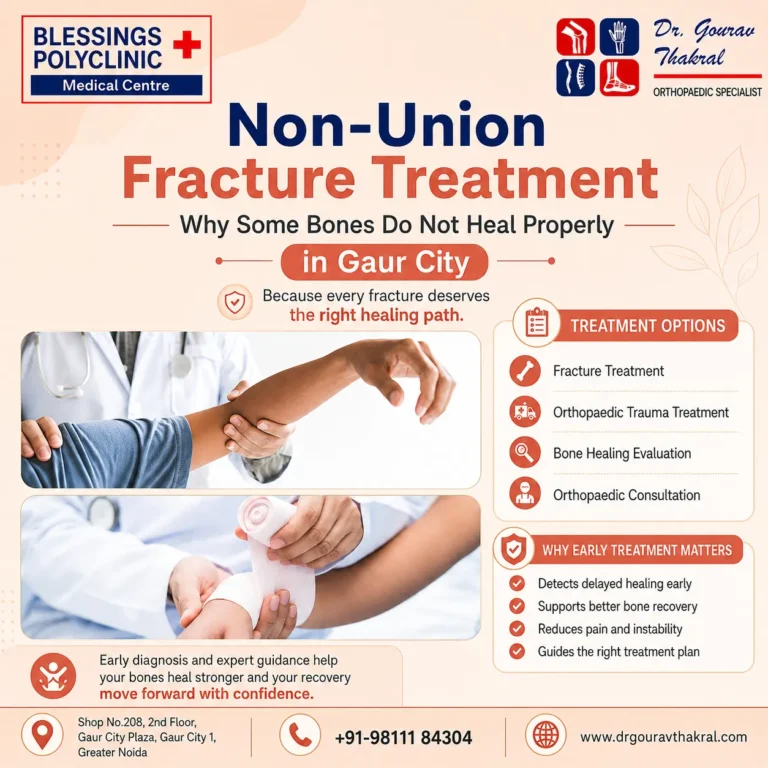
- Previous fractures or trauma
- Sedentary lifestyle
An experienced Bone specialist can identify the underlying cause and suggest appropriate management.
Common Joint Disorders
Knee Problems
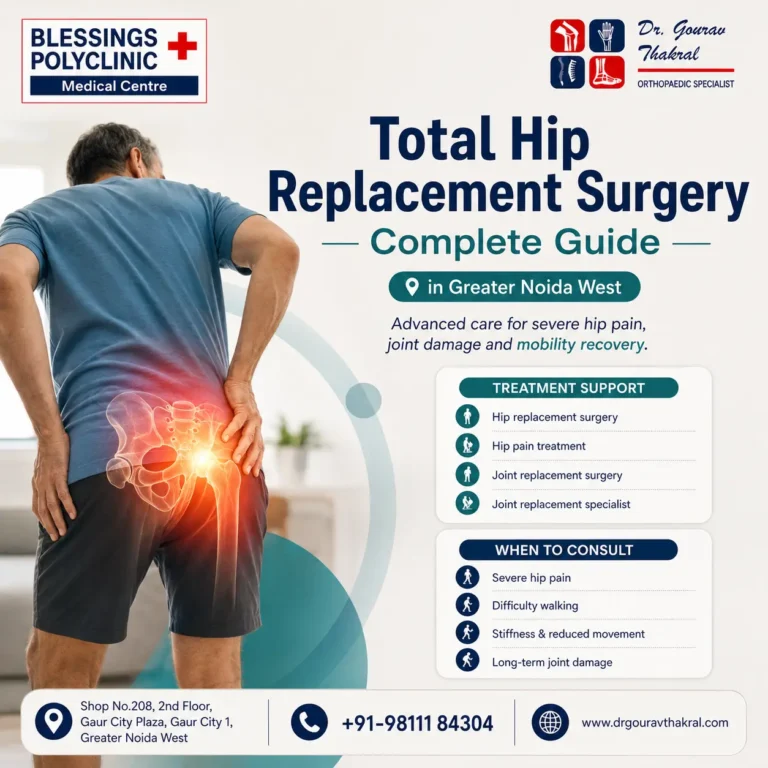
Knee pain is one of the most common orthopaedic complaints. Injury, arthritis, ligament damage, cartilage wear, and muscle imbalance can affect knee function.
Advanced Knee pain treatment focuses on reducing pain, improving movement, and strengthening surrounding muscles.
Shoulder Disorders
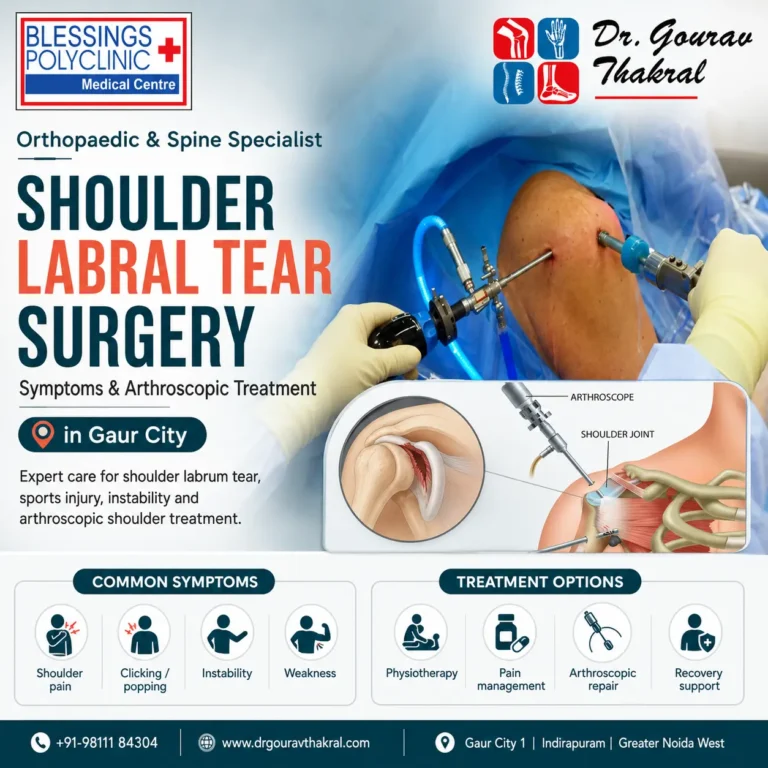
Shoulder pain can develop due to frozen shoulder, tendon injury, rotator cuff tear, arthritis, or repetitive movement.
Proper Shoulder pain treatment helps improve mobility and reduce stiffness.
Arthritis
Arthritis affects joints and causes inflammation, pain, swelling, and stiffness. Early management is important to maintain mobility and quality of life.
Back & Neck Pain
Spine-related disorders may occur due to posture issues, muscle strain, disc problems, or degeneration.
Diagnosis of Musculoskeletal Disorders
An experienced Joint specialist performs a detailed clinical examination to understand symptoms, movement limitations, posture issues, and pain patterns.
Diagnostic evaluation may include:
- Physical examination
- X-ray
- MRI
- CT scan
- Bone density test
- Joint mobility assessment
- Posture evaluation
Accurate diagnosis helps create an effective Orthopaedic treatment plan.
Treatment for Joints and Musculoskeletal Disorders
Treatment depends on the severity and cause of the condition. Most patients benefit from a combination of therapies focused on pain relief and mobility restoration.
Medication & Pain Relief
Pain-relieving medicines and anti-inflammatory treatment help control symptoms.
Physiotherapy & Rehabilitation
Exercises improve flexibility, balance, muscle strength, posture, and mobility.
Lifestyle Modification
Weight management, posture correction, stretching, and activity modification play an important role in recovery.
Advanced Orthopaedic Care
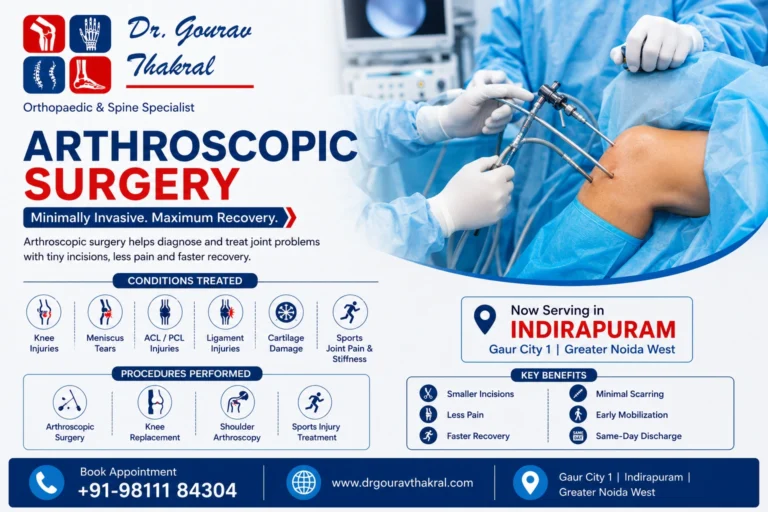
Modern Orthopaedic care includes minimally invasive procedures, rehabilitation support, mobility training, and personalized recovery programs.
Joint Pain Management
A skilled Joint pain specialist helps patients manage chronic joint discomfort and improve daily movement.
Importance of Early Treatment
Ignoring joint pain or musculoskeletal discomfort may worsen the condition and affect routine activities. Early diagnosis can help prevent:
- Joint stiffness
- Muscle weakness
- Chronic pain
- Reduced mobility
- Joint damage
- Long-term disability
Timely Joint pain treatment helps improve function and quality of life.
Why Choose Dr. Gourav Thakral?
Dr. Gourav Thakral provides advanced orthopaedic and musculoskeletal care focused on accurate diagnosis, pain relief, rehabilitation, and faster recovery.
Treatment approach includes:
- Personalized treatment plans
- Advanced diagnostic support
- Joint mobility improvement
- Sports injury management
- Rehabilitation guidance
- Long-term pain management
- Comprehensive orthopaedic care
Patients from Indirapuram consult for expert orthopaedic support and recovery-focused treatment.
Prevention Tips
You can reduce the risk of musculoskeletal disorders by:
- Maintaining proper posture
- Exercising regularly
- Strengthening muscles
- Avoiding prolonged sitting
- Maintaining healthy weight
- Stretching before workouts
- Avoiding repetitive strain
- Taking breaks during work
- Following physiotherapy advice